WHAT WE DO ?

ERPNext for engineering,
procurement and construction (EPC) industry

Engineering, Procurement and Construction (EPC) projects are tough. Even if you do everything right, there’s so much that could go wrong. Raw material prices could fluctuate, deliveries could get delayed, unfavorable environmental conditions could halt work, and obtaining permits and complying with regulations can take longer than anticipated. There’s so much that’s out of your control. What is within your control is how you manage your project. That’s where ERPNext can help you.

Always get the full picture

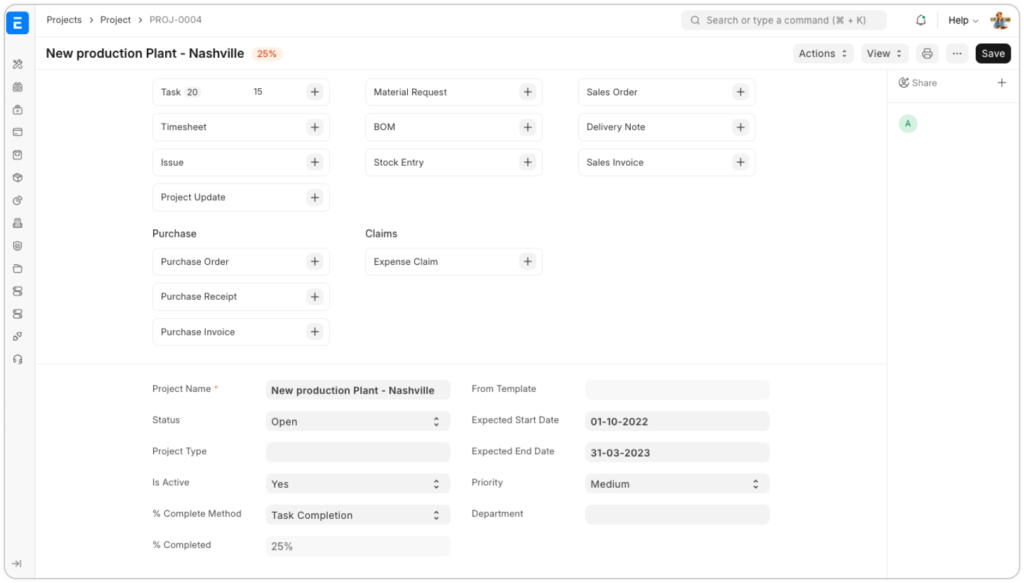
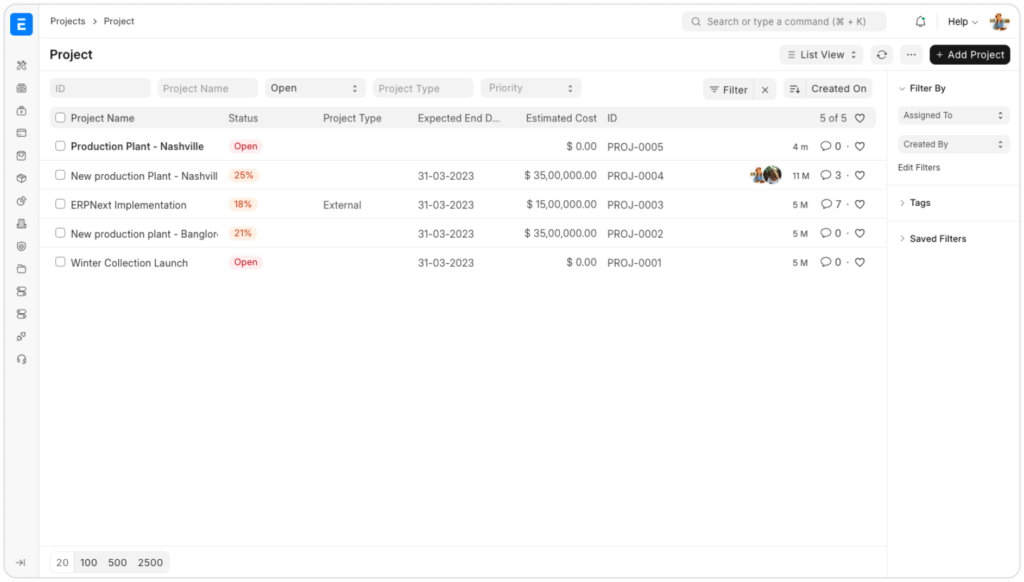
EPC projects are expansive and it can be difficult to keep track of all the moving parts. Engineering ERP Software lets you view all the key data related to your project in one place. Monitor project progress, view linked documents, track activity, see expenses incurred, compare actual costs with estimated costs Make sure no detail falls through the cracks.

Never miss an expense

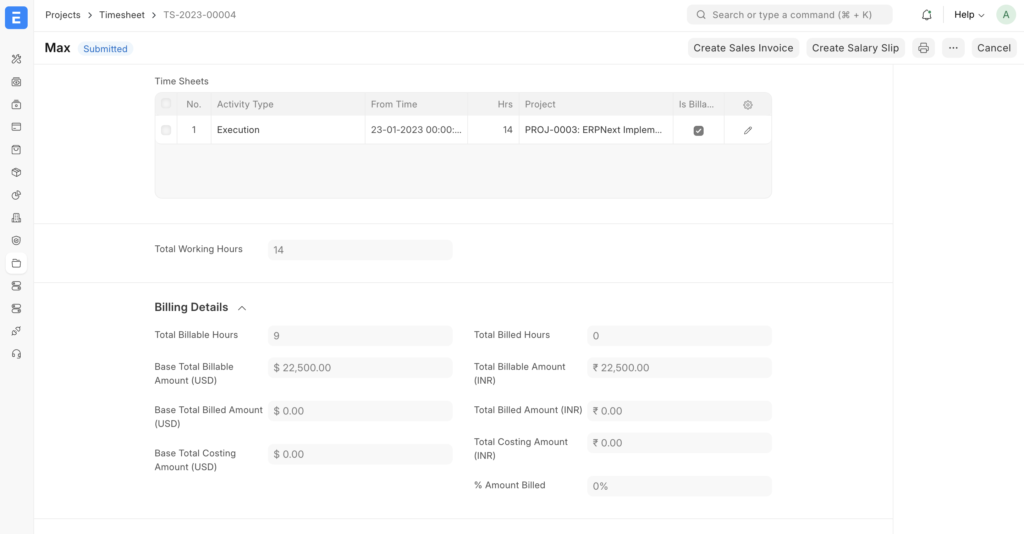
ERPNext lets you link expenses directly to projects. Labour costs can be linked using timesheets, reimbursable payments through expense claims, material purchases through purchase invoices, and so on. This provides a comprehensive view of the expenses associated with a project and lets no charge go unnoticed.

Don’t let minor delays affect your timeline
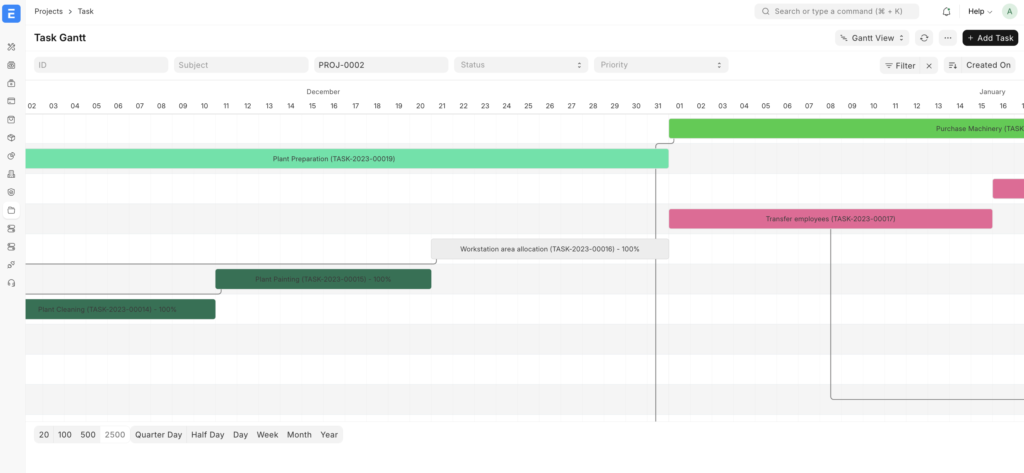
In ERPNext, every project is broken down into tasks and these tasks can all be viewed in the form of a Gantt chart, which lets you see how changes to any task’s timeline can affect the rest of your project. This allows you to identify issues quickly and take corrective action so minor delays don’t snowball into major ones.

Prevent cost overruns

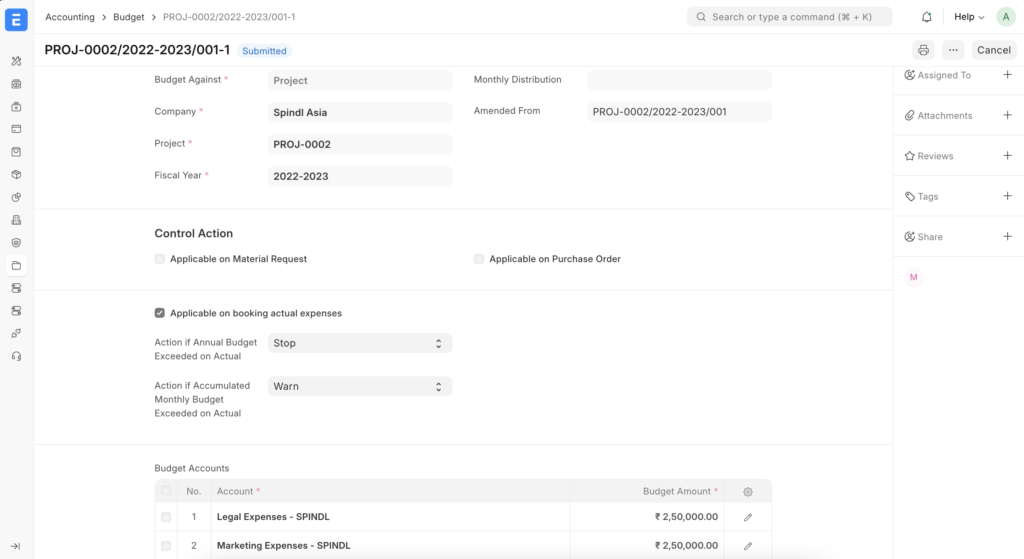
Keeping costs low without compromising on quality is never easy, but ERPNext helps make it a little simpler by letting you create budgets against projects. Once a budget is set, you can configure ERPNext to stop or warn you if you try to make a transaction that’ll make you exceed it.

Track project-level inventories and assets; plan re-orders
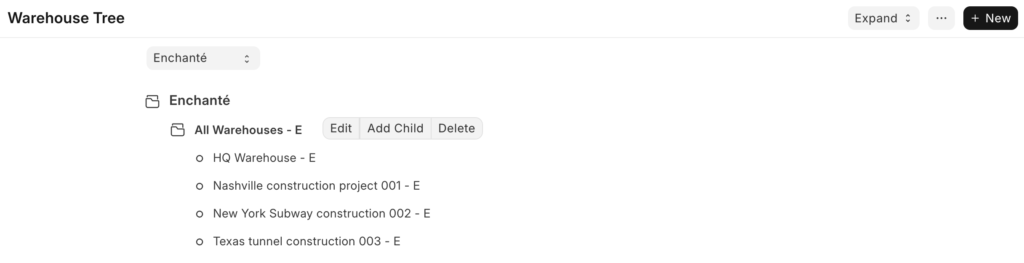
We understand how important it is to get a single view of your inventory, especially when your project locations are scattered in multiple locations. With ERPNext, you can tag each warehouse to reference your project location and track, move, and plan inventory better. Prevent material shortages by forecasting demand and predicting reorder points and quantities based on past data. ERPNext can also replenish stock automatically by creating Material Requests if it falls below a minimum threshold. This helps you reduce waste and prevent stockouts by letting you order only what you need.

Track percentage of completion

EPC projects are often billed based on the percentage of completion of the project and ERPNext lets you track this in four different ways. Projects can be divided into tasks and project progress can be measured by the number of tasks completed, the percentage of progress of the constituent tasks, based on weights assigned to tasks or manually. This ensures that you never miss a milestone.

No compromising on quality

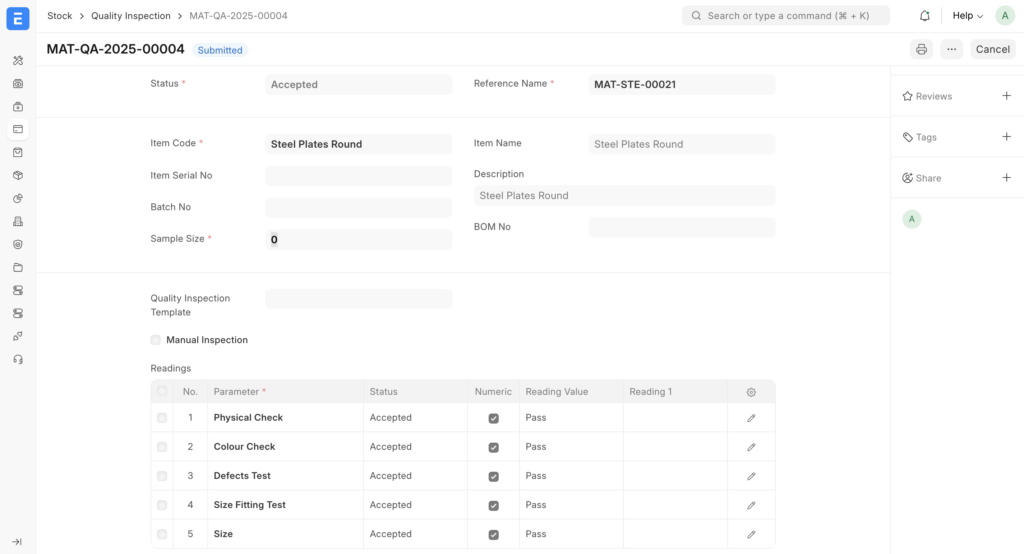
The sheer size and complexity of EPC projects can make it difficult to maintain high standards of quality across all phases of the project. Setting up quality inspections on ERPNext can help you ascertain that any goods or services provided by a supplier or a subcontractor meets your standards before you accept them.

Only work with the best suppliers

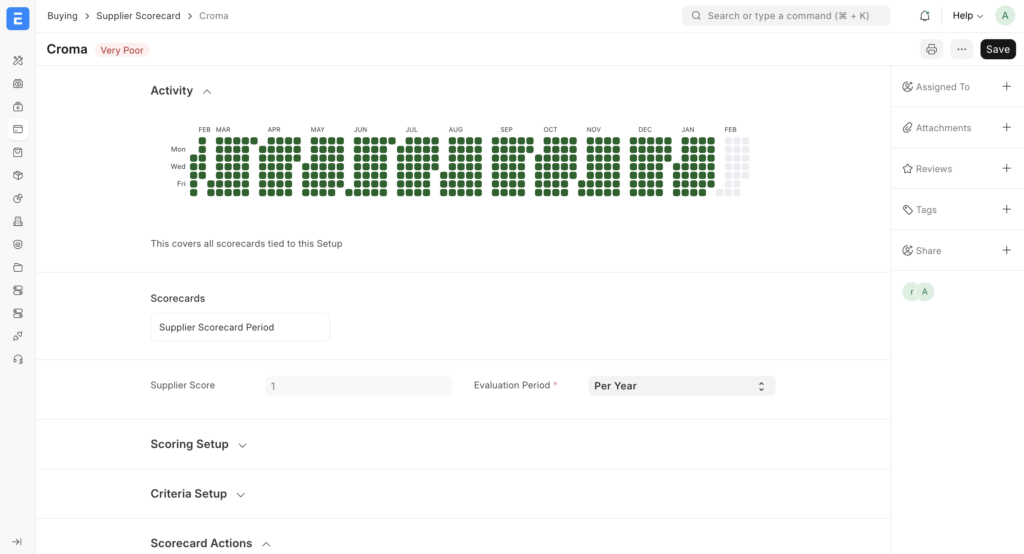
It only takes one bad supplier to make your plans go awry, so keep track of item quality, delivery and responsiveness using supplier scorecards. Sort suppliers based on performance and use supplier standings to restrict poorly performing ones from being issued quotation requests and purchase orders.

Complete projects faster with subcontractors
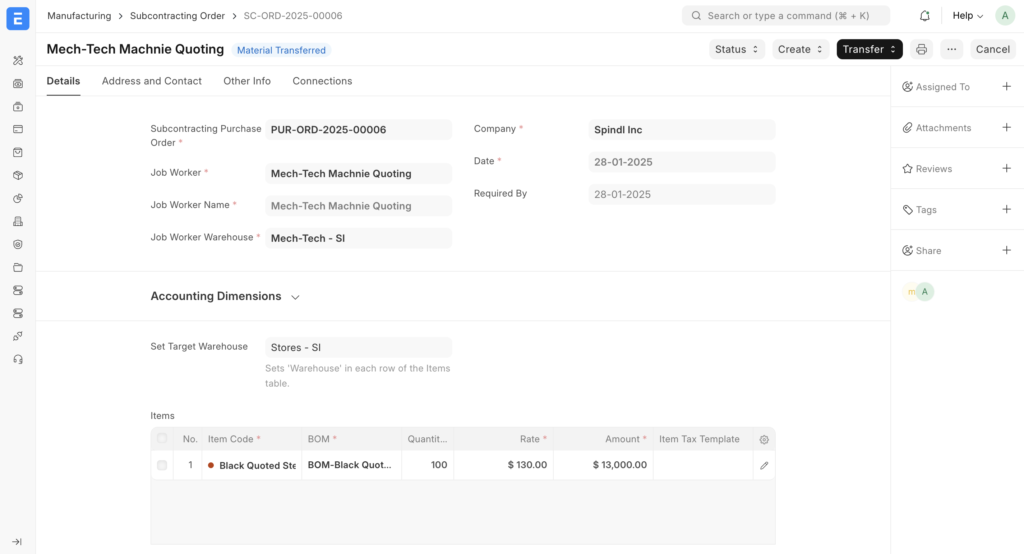
Employing third parties to perform tasks for you allows work to be done on multiple phases at the same time, thereby leading to faster project completion, but managing them can be a hassle. ERPNext makes this simple by keeping track of contract terms, timelines and deliverables. It also helps you transfer raw materials to your subcontractors with ease.

Process payroll accurately

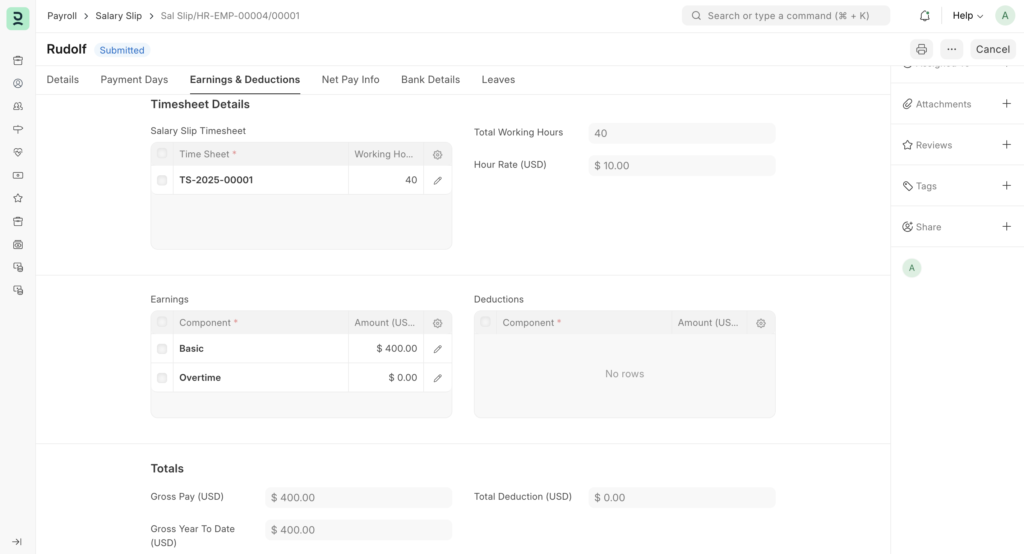
EPC projects involve a lot of people, like employees, freelancers and subcontractors, who might all work different hours at different rates. A rigid salary structure might not be enough to compensate them, you’ll probably need to track employee attendance, timesheets and labour costs instead. ERPNext allows you to create salary slips based on timesheets and hourly rates, or even create them manually.

Make sure everyone’s on the same page
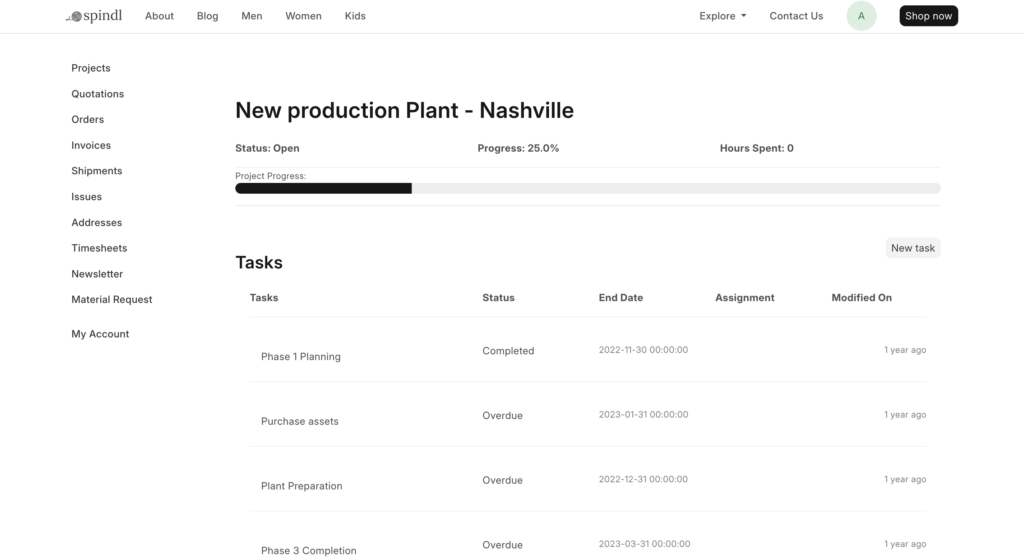
With the amount of data that EPC projects generate, it can be difficult to avoid miscommunication and ensure effective coordination across different teams. ERPNext tries to keep everyone in the loop through project discussion threads, task assignment, automated workflows and document sharing. It can also grant people access to documents based on roles, which means that anyone involved in the project, even your customers, can monitor project progress and provide inputs. You can even send reports on the progress of your project automatically to all your stakeholders at a preset frequency.

Get deeper insights into your project
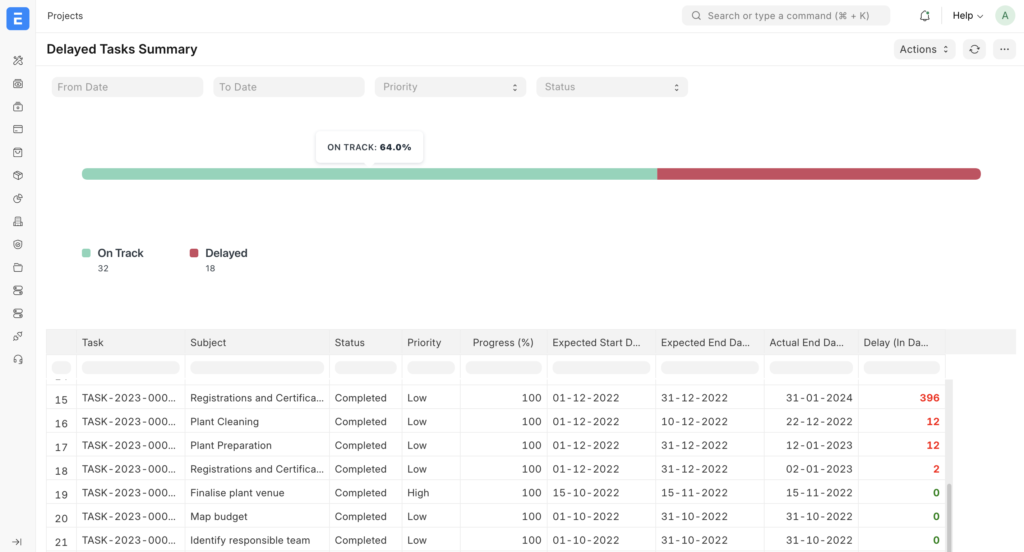
ERPNext lets you visualize data in the form of trees, gantt charts, kanban boards and dashboards, which allows you to quickly notice and correct any issues that may arise. It also has a host of reports which provide insight into different aspects of your project. You can even view project profitability on an employee level or create custom reports.

LET'S CLEAR THAT UP

Frequently asked questions.

Still have a question

Can’t find the answer you’re looking for? Send us an email and our team will get back to you as soon as possible.

Why is ERP important for the retail industry?

ERP systems are crucial for the retail industry because they:

  • Integrate all business processes into a single system, improving data accuracy and decision-making.
  • Enhance inventory management, reducing stockouts and overstock situations.
  • Improve customer service through better order management and faster response times.
  • Provide real-time insights and analytics, aiding in strategic planning and market responsiveness.

Retail-specific ERP solutions in Saudi Arabia offer several benefits, including:

  • Compliance with local regulations and VAT requirements.
  • Support for multi-currency and multi-language transactions.
  • Tailored features for local market needs, such as managing Saudi-specific retail formats and consumer preferences.
  • Improved supply chain management and logistics tailored to the Saudi market.

A retail ERP system enhances inventory management by:

  • Providing real-time visibility into stock levels across all locations.
  • Automating reordering processes based on predefined thresholds.
  • Reducing manual errors through automated data entry and tracking.
  • Optimizing inventory levels to balance demand and supply efficiently.

Yes, many retail ERP systems include integrated CRM modules that:

  • Track customer interactions and purchase history.
  • Offer personalized marketing and promotions.
  • Manage loyalty programs and customer feedback.
  • Improve customer service by providing a 360-degree view of the customer.

Absolutely, modern retail ERP systems can seamlessly integrate with e-commerce platforms. This integration allows:

  • Synchronization of online and offline sales channels.
  • Real-time inventory updates across all platforms.
  • Centralized management of orders, payments, and returns.
  • Enhanced customer experiences with unified data across channels.

When selecting a retail ERP solution, consider the following factors:

  • Local compliance and VAT support.
  • Scalability to grow with your business.
  • Customizability to meet specific business needs.
  • User-friendly interface and ease of training for your staff.
  • Strong vendor support and local presence for better service and troubleshooting.
The implementation timeline for a retail ERP system can vary based on the complexity of your business processes and the level of customization required. Typically, it can take anywhere from a few months to over a year. Working with experienced consultants and having a clear project plan can help expedite the process.

The costs of implementing a retail ERP system can vary widely depending on factors such as:

  • The size and complexity of your business.
  • The number of users and locations.
  • Customization and integration requirements.
  • Training and support services. It’s important to consider both upfront costs and ongoing maintenance fees when budgeting for an ERP system.
For more information or to schedule a consultation, you can contact our expert team at Beveren Software through our website or call us at [+966 59 2044 266]. We offer personalized solutions and detailed consultations to help you choose the best ERP system for your retail business.

Having a ZATCA-approved ERP system ensures that your retail business is compliant with local tax laws and regulations. This includes:

  • Accurate calculation and reporting of VAT.
  • Proper invoicing and record-keeping practices.
  • Timely submission of tax returns.