
WHAT WE DO ?
ERPNext for engineering,
procurement and construction (EPC) industry
Always get the full picture
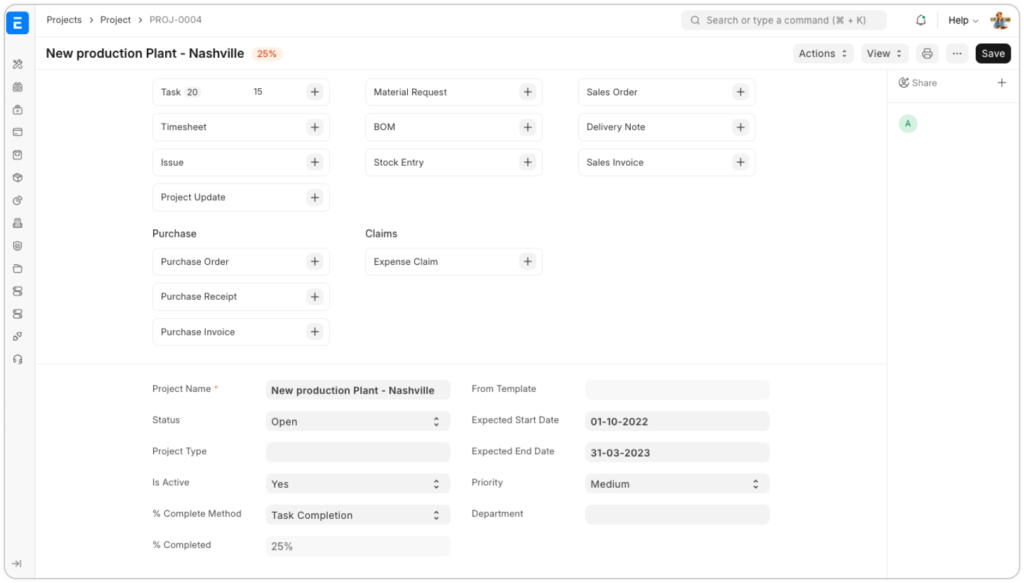
Never miss an expense
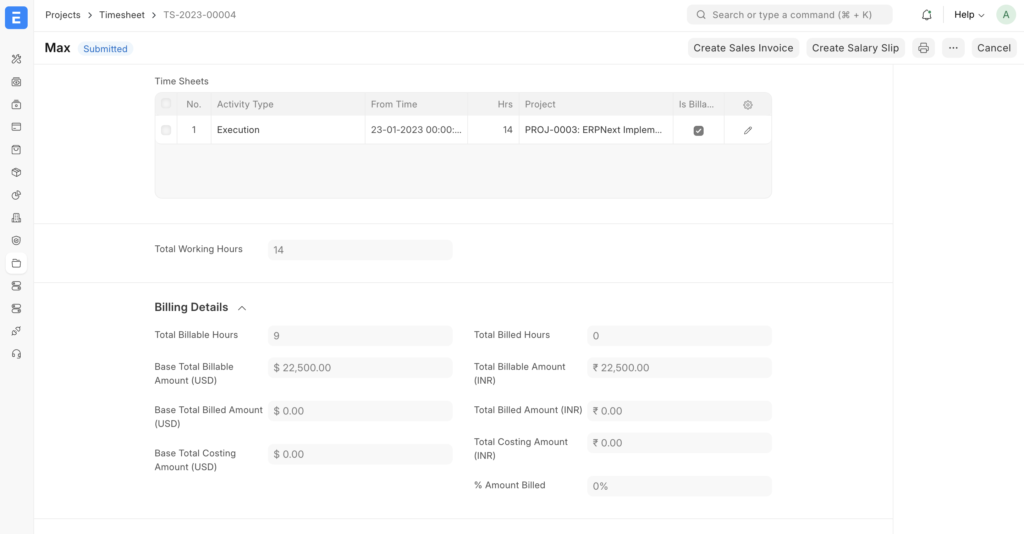
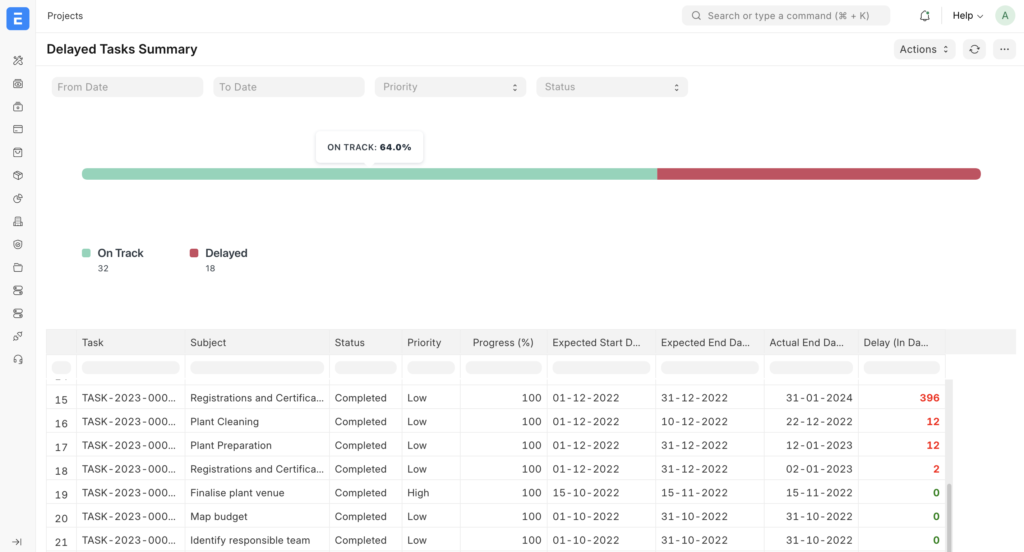
Don’t let minor delays affect your timeline
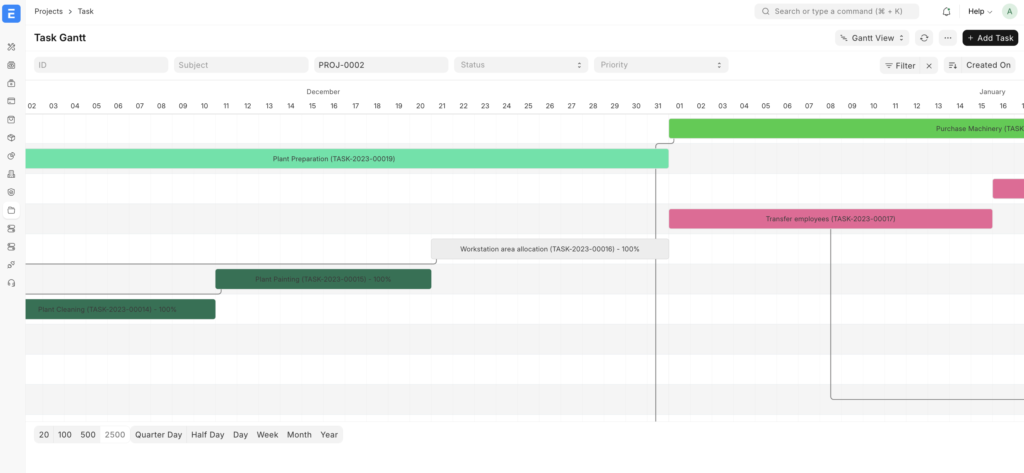
Prevent cost overruns
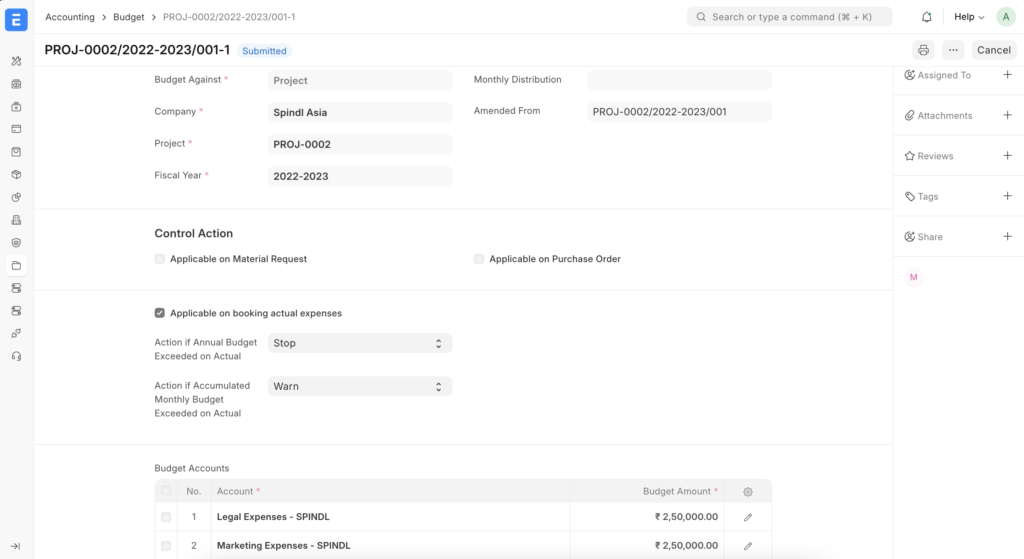
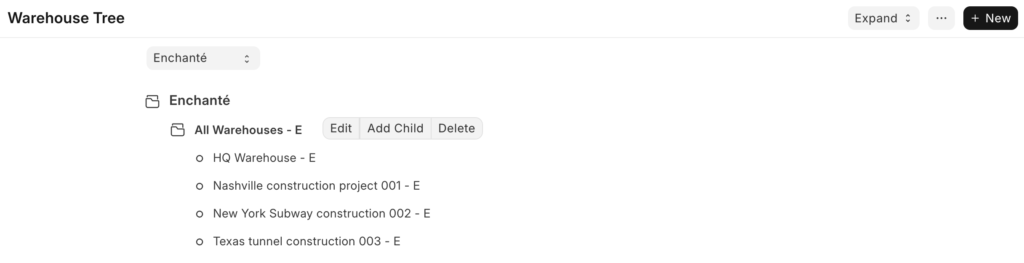
Track project-level inventories and assets; plan re-orders
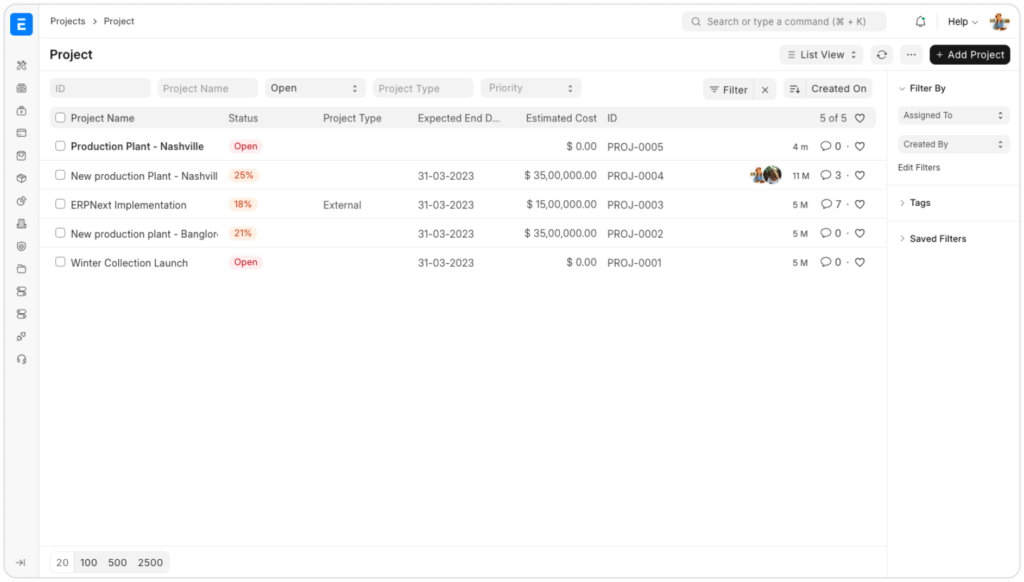
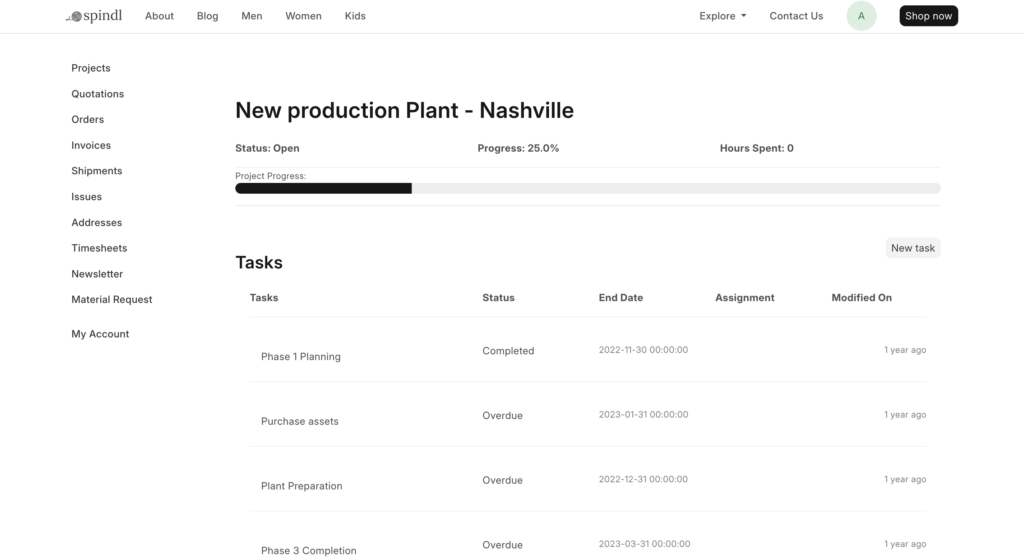
Track percentage of completion
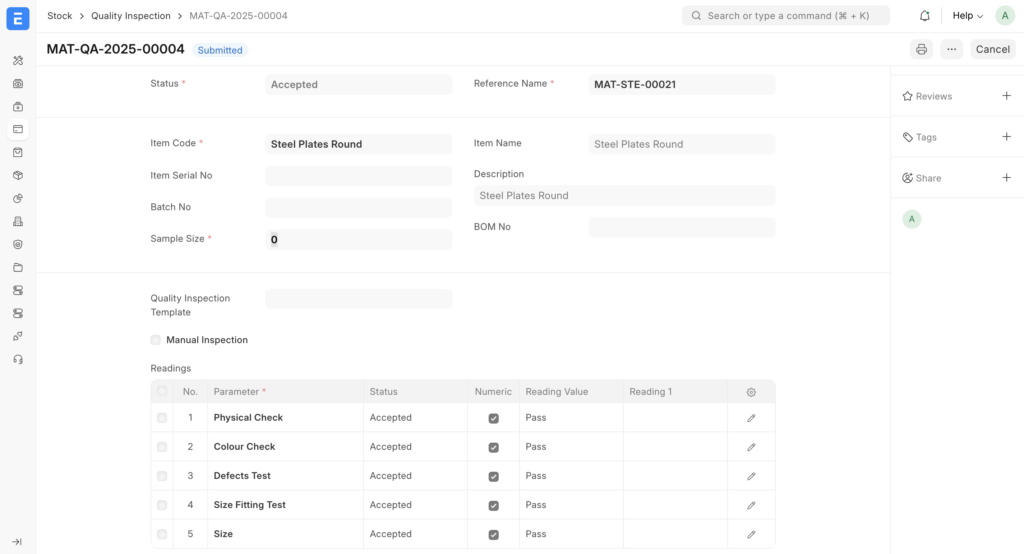
No compromising on quality
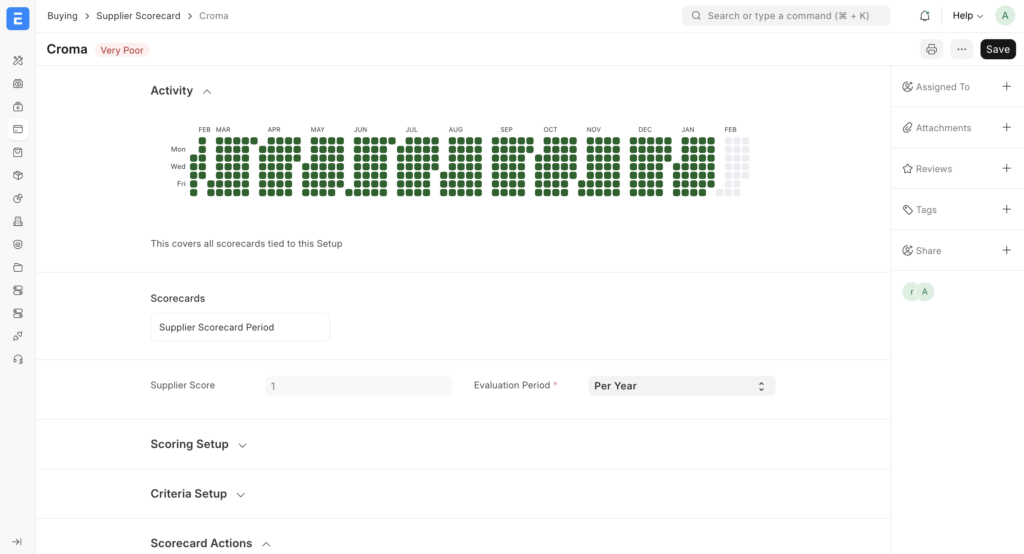
Only work with the best suppliers
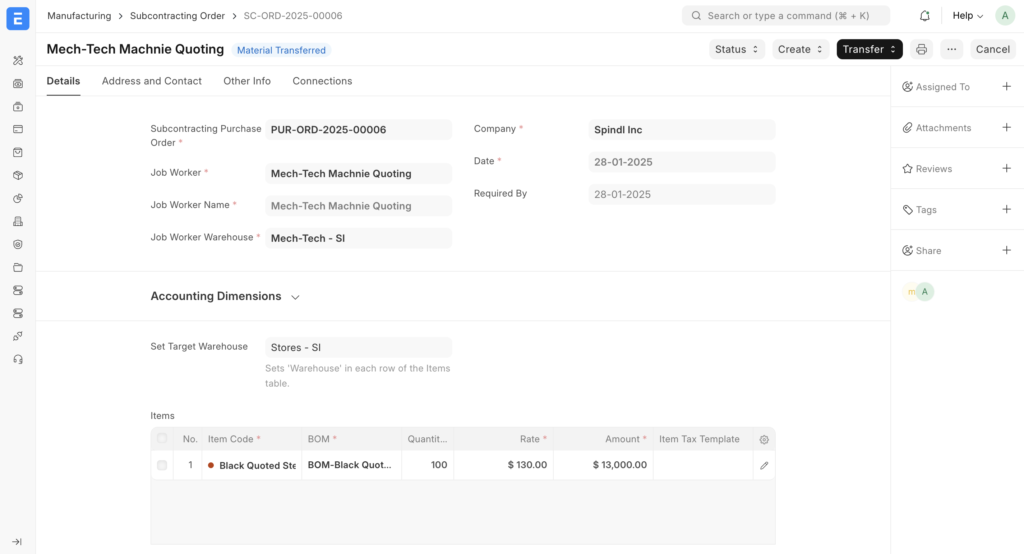
Complete projects faster with subcontractors
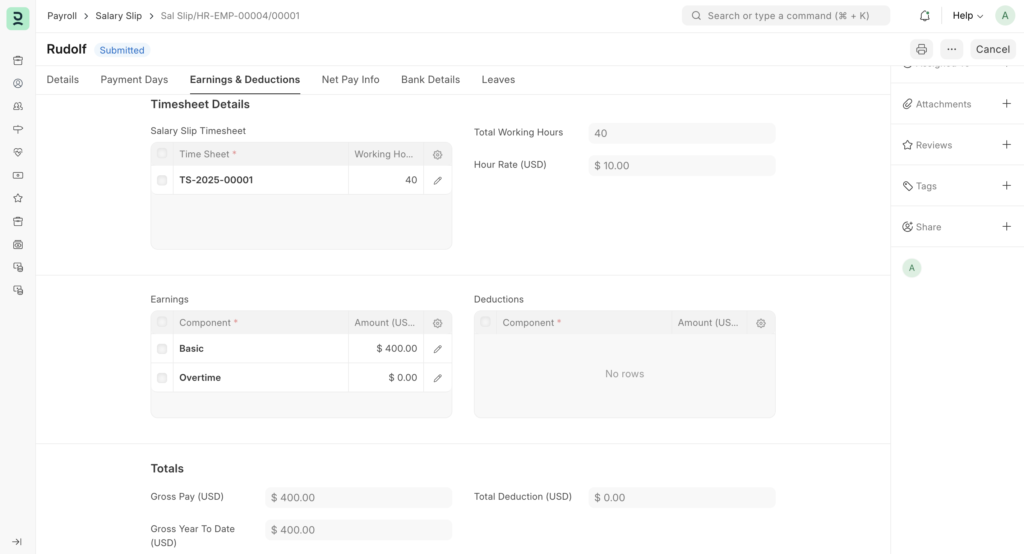
Process payroll accurately
Make sure everyone’s on the same page
Get deeper insights into your project
Ready to Streamline Your Engineering (EPC) ?
Let’s discuss a system that works for you — today and long after go‑live.

Join over 30000+ companies that have successfully streamlined their operations and scaled their business using our platform.
LET'S CLEAR THAT UP
Frequently asked questions.
Still have a question
Can’t find the answer you’re looking for? Send us an email and our team will get back to you as soon as possible.
Why is ERP important for the retail industry?
ERP systems are crucial for the retail industry because they:
- Integrate all business processes into a single system, improving data accuracy and decision-making.
- Enhance inventory management, reducing stockouts and overstock situations.
- Improve customer service through better order management and faster response times.
- Provide real-time insights and analytics, aiding in strategic planning and market responsiveness.
What are the benefits of using a retail-specific ERP solution in Saudi Arabia?
Retail-specific ERP solutions in Saudi Arabia offer several benefits, including:
- Compliance with local regulations and VAT requirements.
- Support for multi-currency and multi-language transactions.
- Tailored features for local market needs, such as managing Saudi-specific retail formats and consumer preferences.
- Improved supply chain management and logistics tailored to the Saudi market.
How does a retail ERP system improve inventory management?
A retail ERP system enhances inventory management by:
- Providing real-time visibility into stock levels across all locations.
- Automating reordering processes based on predefined thresholds.
- Reducing manual errors through automated data entry and tracking.
- Optimizing inventory levels to balance demand and supply efficiently.
Can a retail ERP system help with customer relationship management (CRM)?
Yes, many retail ERP systems include integrated CRM modules that:
- Track customer interactions and purchase history.
- Offer personalized marketing and promotions.
- Manage loyalty programs and customer feedback.
- Improve customer service by providing a 360-degree view of the customer.
Is it possible to integrate e-commerce platforms with a retail ERP system?
Absolutely, modern retail ERP systems can seamlessly integrate with e-commerce platforms. This integration allows:
- Synchronization of online and offline sales channels.
- Real-time inventory updates across all platforms.
- Centralized management of orders, payments, and returns.
- Enhanced customer experiences with unified data across channels.
What should I consider when choosing a retail ERP solution for my business in Saudi Arabia?
When selecting a retail ERP solution, consider the following factors:
- Local compliance and VAT support.
- Scalability to grow with your business.
- Customizability to meet specific business needs.
- User-friendly interface and ease of training for your staff.
- Strong vendor support and local presence for better service and troubleshooting.
How long does it take to implement a retail ERP system?
What are the costs associated with implementing a retail ERP system?
The costs of implementing a retail ERP system can vary widely depending on factors such as:
- The size and complexity of your business.
- The number of users and locations.
- Customization and integration requirements.
- Training and support services. It’s important to consider both upfront costs and ongoing maintenance fees when budgeting for an ERP system.
Where can I find more information or get a consultation for retail ERP solutions in Saudi Arabia?
Why does my retail ERP need to be approved by ZATCA?
Having a ZATCA-approved ERP system ensures that your retail business is compliant with local tax laws and regulations. This includes:
- Accurate calculation and reporting of VAT.
- Proper invoicing and record-keeping practices.
- Timely submission of tax returns.